Mechanism of Action (MOA):
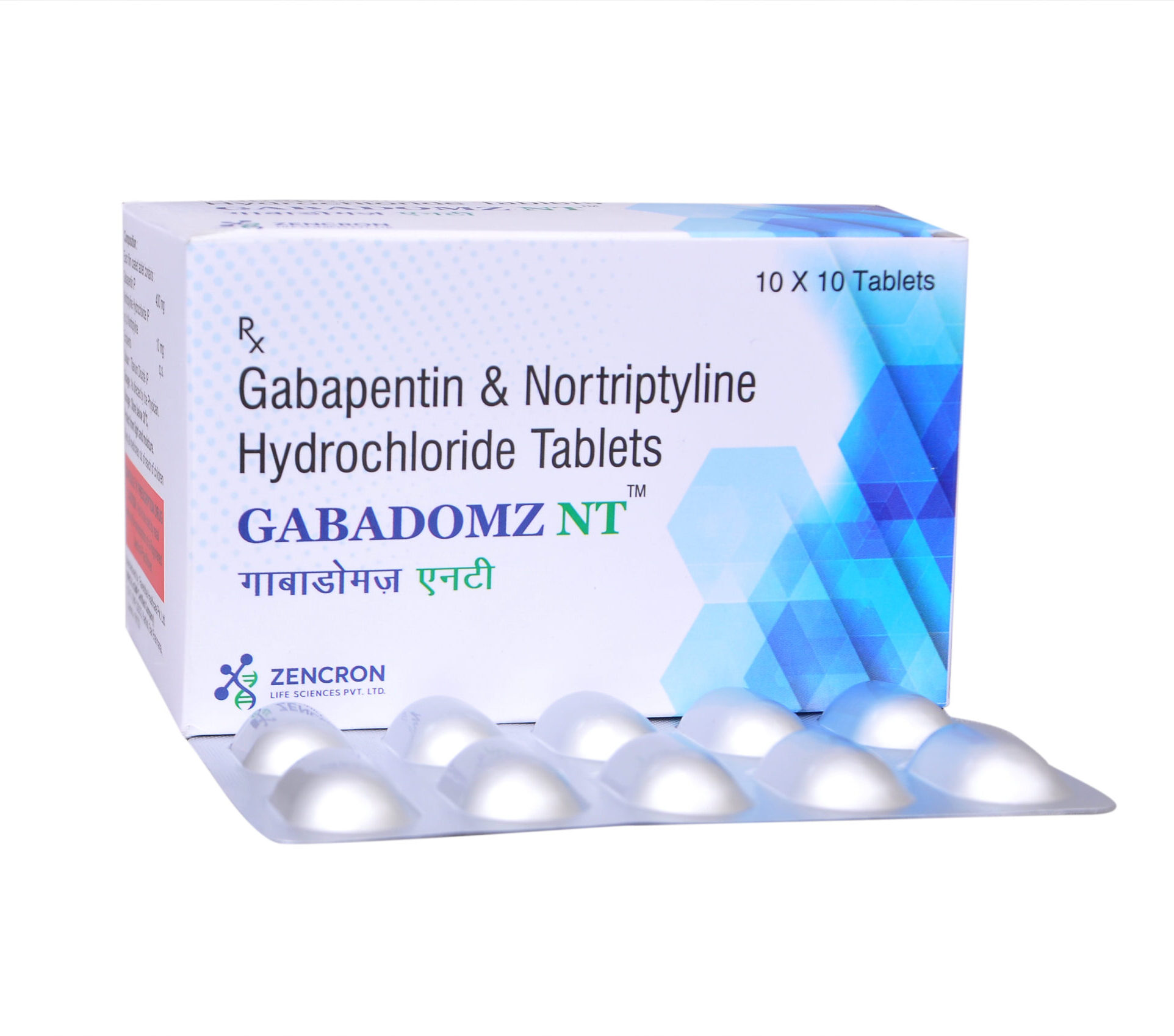
Gabapentin
* Binding Target: High-affinity binding to the α2δ subunit of voltage-gated calcium channels.
* Functional Role: Modulates calcium influx, indirectly influencing neurotransmitter release.
* Note: Despite structural similarity to GABA, it does not interact with GABA receptors or metabolism.
Nortriptyline
* Primary Action: Inhibits reuptake of norepinephrine (NE) and serotonin (5HT).
* Effect on Pain: Enhances descending inhibitory pain pathways in the spinal cord.
* Chemical Identity: A metabolite of amitriptyline; classified as a tricyclic antidepressant (TCA).
Indications:
* Primary Use: Management of neuropathic pain.
* Examples of Conditions:• Diabetic Peripheral Neuropathy (DPN)
* Postherpetic Neuralgia
* Cancer-related neuropathic pain
* HIV-associated neuropathy
* Radiculopathy, stroke, spinal cord injury
Clinical Advantages:
- Superior pain relief versus monotherapy, showing up to 18% better reduction in pain scores with combination therapy.
- Improved mood and reduction of depression and anxiety symptoms in chronic pain patients.
- Enhanced sleep quality, daily functioning, and overall quality of life.
- The side effect profile does not worsen compared to each drug alone, and most side effects (like sleepiness, dizziness, weight gain, dry mouth) are mild and transient.
- Expanded utility for patients unresponsive to single agents, especially in resistant neuropathic pain.
This combination is often preferred when neuropathic pain is accompanied by sleep disturbance or mood alterations, leveraging both analgesic and antidepressant effects for comprehensive symptom management.