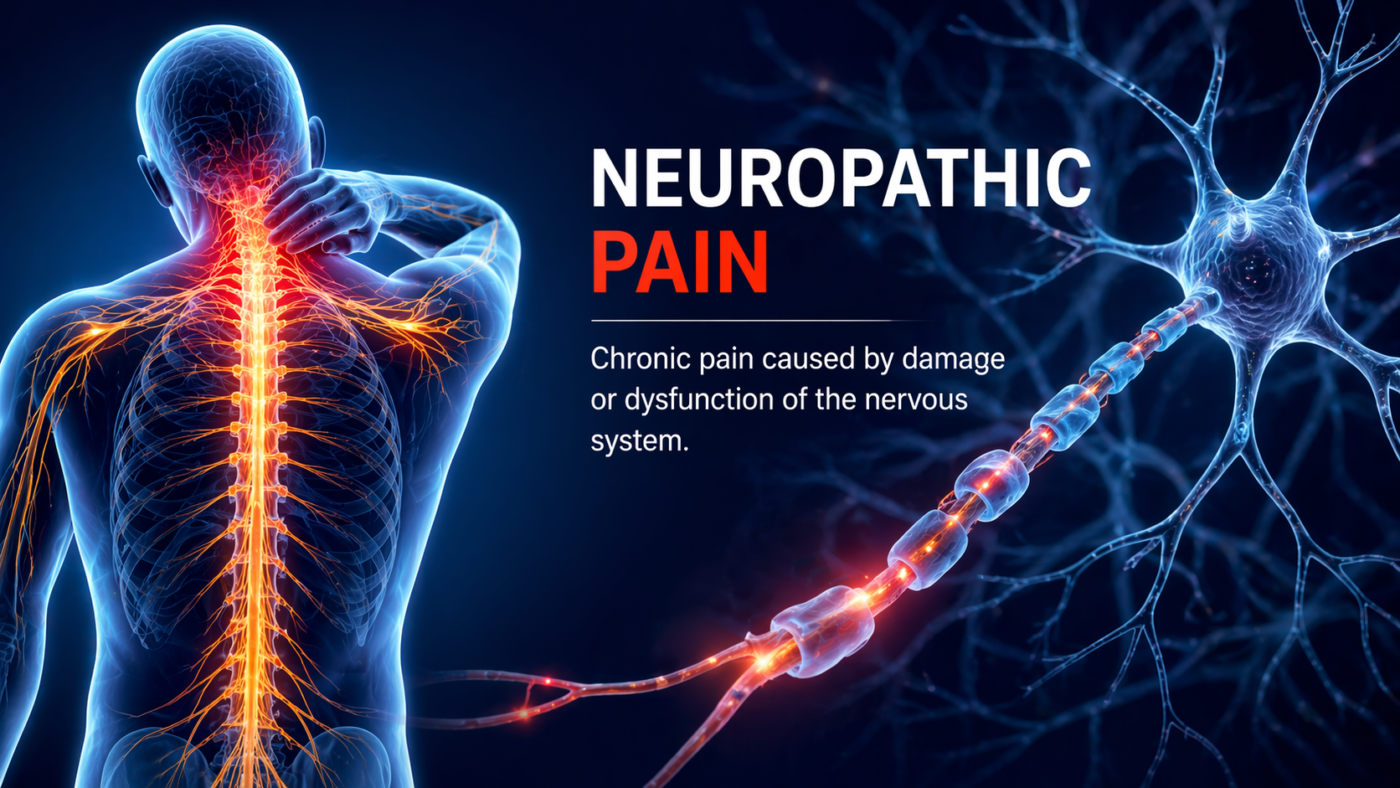
Neuropathic pain is a type of chronic pain caused by damage or dysfunction in the nervous system. It is commonly seen in conditions like diabetes, nerve injury, or infections and requires targeted treatment such as pregabalin or gabapentin.
Introduction
Pain is generally classified into nociceptive and neuropathic types. While nociceptive pain arises from tissue injury, neuropathic pain originates from abnormalities within the nervous system itself.
It is often persistent, difficult to treat, and can significantly impact daily functioning and quality of life. With increasing cases of diabetes and lifestyle-related disorders, neuropathic pain is becoming more common in clinical practice.
What is Neuropathic Pain?
Neuropathic pain occurs when there is damage or dysfunction in the peripheral or central nervous system. Unlike normal pain signals, it results from abnormal nerve activity.
This condition may develop due to metabolic disorders, infections, trauma, or neurological diseases.
Common Causes of Neuropathic Pain
Neuropathic pain can arise from multiple underlying conditions, including:
- Diabetic neuropathy
- Post-herpetic neuralgia (after shingles infection)
- Nerve compression or injury
- Spinal cord disorders
- Alcohol-related nerve damage
- Certain infections and autoimmune conditions
Symptoms of Neuropathic Pain
Patients may experience a combination of the following symptoms:
- Burning or shooting pain
- Tingling or “pins and needles” sensation
- Numbness
- Increased sensitivity to touch (allodynia)
- Electric shock–like sensations
Symptoms may vary depending on the affected nerves and severity of the condition.
Diagnosis and Clinical Evaluation
Diagnosis is primarily based on:
- Detailed patient history
- Neurological examination
- Assessment of sensory changes
- Identification of underlying cause
In some cases, additional tests such as nerve conduction studies or imaging may be required.
Treatment Approach
Management of neuropathic pain focuses on reducing symptoms and improving quality of life.
1. Pharmacological Treatment
Commonly used medications include:
- Pregabalin
- Gabapentin
- Duloxetine
- Amitriptyline
These medications work by modulating nerve signals and reducing abnormal neuronal activity.
2. Supportive Therapy
- Physiotherapy
- Lifestyle modifications
- Glycemic control in diabetic patients
3. Combination Therapy
In many cases, a combination of medications and supportive care provides better outcomes compared to single-drug therapy.
Practical Considerations
- Treatment response varies among patients
- Dose titration is often required
- Long-term management may be necessary
- Patient adherence plays a critical role in effectiveness
Industry Perspective
The prevalence of neuropathic pain is increasing in India, particularly due to the rise in diabetes and aging population. This has led to consistent demand for neurology-focused pharmaceutical products.
Molecules such as pregabalin and gabapentin are widely used and form a core part of many therapeutic portfolios. Companies operating in this segment, including Zencron Life Sciences, focus on developing formulations aligned with current treatment needs.
According to Mr. John Broun, maintaining consistency in formulation quality is essential to ensure reliable outcomes in long-term neuropathic pain management.
Conclusion
Neuropathic pain is a complex condition that requires a structured and targeted treatment approach. Early diagnosis, appropriate medication, and patient compliance are key factors in effective management.
With the growing burden of neurological conditions, the role of specialized pharmaceutical formulations continues to be important in clinical practice.
Frequently Asked Questions
1. What is the main cause of neuropathic pain?
It is usually caused by nerve damage due to diabetes, injury, infection, or neurological disorders.
2. Is neuropathic pain curable?
It may not always be completely curable, but symptoms can be effectively managed with proper treatment.
3. Which medicines are commonly used?
Pregabalin, gabapentin, duloxetine, and amitriptyline are commonly prescribed.
4. How is neuropathic pain different from normal pain?
It originates from nerve damage rather than tissue injury and often feels like burning or shooting pain.
About the Content
This article is prepared by the editorial team at Zencron Life Sciences for informational purposes related to clinical conditions and pharmaceutical relevance.